Source Recyclable Translucent PE Carrier Bags for Household, Shopping, and Food
Find 30 options for recyclable translucent PE carrier bags suitable for household, shopping, and food applications. Buyers can compare specifications including material, sealing type, and weight limits from verified suppliers.
Key considerations
Products List




Comprehensive Sourcing Guide
Strategic Sourcing Guide for Recyclable Translucent PE Carrier Bags
Understanding Product Attributes and Material Composition
When sourcing recyclable translucent PE carrier bags, buyers must first distinguish between the general material class and the specific performance characteristics required for their supply chain. The core material for these products is Polyethylene (PE), a thermoplastic polymer known for its flexibility, durability, and resistance to moisture. While the keyword specifies "translucent," the available market data indicates a spectrum of transparency levels, ranging from fully opaque to clear variants. In the observed product inventory, specific items are noted as "Opaque," while others are described simply as "Plastic" or "PE" without explicit transparency claims, suggesting that "translucent" is a specific request that requires verification against individual supplier stock rather than a universal attribute of all PE bags.
The manufacturing process for these bags typically involves "Blowing," a method where molten plastic is extruded into a tube and inflated to form a film. This process influences the bag's mechanical properties, including its "Hardness," which is observed to be "Soft" in many listings, facilitating ease of use for retail and household applications. The physical dimensions are critical; standard sizes observed include specifications like "3545" and "(300+702)*450mm," while custom sizing is frequently available. Buyers should note that the "Weight Limit" varies significantly across the market, with some products rated for "5-10 kg" and others capable of handling loads exceeding "10 Kg." This variance necessitates a clear definition of the intended load capacity before initiating procurement to ensure the selected bag does not fail under stress.
Technical Specifications and Customization Options
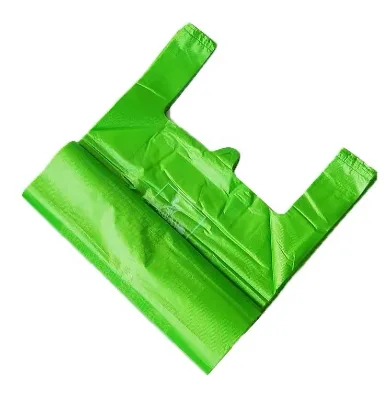
The technical landscape of PE carrier bags offers a high degree of customization, which is a primary driver for their widespread adoption in retail and logistics. The "Customization" attribute is marked as "Available" across the dataset, allowing buyers to tailor the product to specific branding or functional needs. This includes the ability to apply "Logo Printing," which is a common requirement for promotional and retail use. The "Bag Style" can vary between "Flat Bag," "Vest Bag," and "Drawstring Bag," with the "Vest Bag" being a prominent style in the observed inventory. The "Closure Type" is predominantly "Heat-sealing," a method that creates a strong, continuous seal without the need for additional hardware, though "Self Adhesive Seal" options are also present for specific applications.
Material composition extends beyond simple PE. Some products in the market are blends, such as "Pbat+PLA+Cornstarch," which are designed to meet specific biodegradability goals while maintaining the structural integrity of plastic. However, for the specific keyword of "recyclable translucent PE," the focus should remain on pure PE or PE blends that retain recyclability. The "Raw Materials" are listed as "PE&PP" in some contexts, indicating that Polypropylene (PP) may be mixed with PE in certain formulations. Buyers must verify if the inclusion of PP affects the recyclability of the final product, as mixed polymers can sometimes complicate the recycling stream. Furthermore, the "Thickness" or "Micron" rating is a critical specification, with observed ranges from "20mic" to "60mic." Thicker bags generally offer higher "Shock Resistance" and "Moisture Proof" capabilities, making them suitable for heavier or wetter goods, while thinner variants are cost-effective for light retail items.
Compliance, Certification, and Environmental Standards
Environmental compliance is a paramount consideration when sourcing "recyclable" products. The market data highlights several certifications and standards that buyers should verify to ensure the product meets regulatory and sustainability goals. Observed certifications include "TUV Sud," "SGS," "RoHS," "REACH," and "EN71." These certifications indicate that the product has undergone testing for safety, chemical content, and general quality. Specifically, "RoHS" and "REACH" are crucial for ensuring the absence of hazardous substances, which is often a prerequisite for selling into the European Union and other regulated markets. The "Feature" list frequently includes "Recyclable," "Bio-Degradable," and "Biodegradable," but buyers must be cautious. While a product may be labeled "Bio-Degradable," it may require specific industrial composting conditions to break down, which differs from standard recycling streams.
The "Standard" for these products varies, with some listings citing "3545" or "38cm40cm" as dimensional standards, while others reference "customized" standards. For compliance, buyers should look for products that explicitly state adherence to recognized environmental standards. The presence of "SGS" and "TUV Sud" certificates suggests third-party validation of the product's claims. However, the term "Recyclable" is an attribute that requires verification of the local recycling infrastructure. A bag that is technically recyclable in one region may not be accepted in another. Therefore, procurement teams should request specific documentation regarding the recyclability claims, ensuring that the "Recyclable" feature is backed by the relevant certification data provided by the supplier. The "Application" scope often includes "Food," "Promotion," and "Household," which implies that food-grade safety standards may be necessary for certain use cases.
Cost Drivers and Economic Factors
The pricing of recyclable translucent PE carrier bags is influenced by a complex interplay of material costs, production volume, and customization requirements. The observed price range in the market spans from $0 to $1800 USD, a wide variance that reflects differences in order volume, bag size, and material thickness. The "MOQ" (Minimum Order Quantity) is equally variable, ranging from 1 to 100,000 units. This flexibility allows buyers to test the market with small orders or secure significant discounts through large-scale procurement. The "Weight Limit" and "Thickness" are direct cost drivers; bags designed to carry over 10 kg or those with a thickness of 60 microns will inherently cost more per unit than lightweight, 20-micron variants.
Material composition also plays a significant role in cost. While standard PE is generally cost-effective, the inclusion of bio-based materials like "PLA" or "Cornstarch" can increase the unit price. Similarly, the "Packing" method, whether "Box" or "Carton," affects the logistics cost. "Carton Packaging" is observed for bulk shipments, which is more efficient for large orders but may add to the initial unit cost compared to simpler packaging. The "Origin" of the product, often listed as "China" or specific regions like "Henan" and "Weifang," influences shipping costs and lead times. Buyers should factor in the total landed cost, including freight, duties, and handling, rather than focusing solely on the unit price. The "Feature" of "Antistatic" or "Moisture Proof" may also add a premium to the product, as these require additional processing or additives during the "Blowing" stage.
Typical Applications and Usage Scenarios
The versatility of PE carrier bags makes them suitable for a diverse range of applications. The observed "Usage" categories include "Household," "Shopping," "Food," "Garbage," "Grocery," and "Home Appliance." For retail and shopping purposes, the "Vest Bag" style is particularly popular due to its ease of carrying and visibility of the contents. The "Shape" is generally described as "Plastic Bags" or "Upright Bag," depending on the design. In the food industry, the "Moisture Proof" and "Antistatic" features are critical to prevent spoilage and ensure hygiene. The "Color" is often "Multicolor," allowing for brand differentiation, though "Translucent" remains a key requirement for visibility of the product inside.
For household use, the bags serve as storage or waste liners. The "Weight Limit" of 5-10 kg is sufficient for most household items, while the "Soft" hardness ensures they are easy to handle. In promotional contexts, the "Logo Printing" capability allows businesses to use these bags as marketing tools. The "Application" of "Gift" and "Packing" further expands their utility. Buyers should align the bag's specifications with the specific demands of the end-use. For example, a bag intended for heavy grocery items should prioritize "Shock Resistance" and a higher "Weight Limit," whereas a bag for promotional giveaways might prioritize "Logo Printing" quality and aesthetic appeal. The "Sealing" method, whether "Heat Seal" or "Self Adhesive," should be chosen based on the need for reusability or single-use convenience.
Supplier Evaluation and Quality Control Protocols
Selecting the right supplier requires a rigorous evaluation process that goes beyond the basic product listing. Buyers should verify the "prod_origin" to understand the manufacturing base, with "China" and specific provinces like "Henan" and "Weifang" being common origins. The "Making Process" of "Blowing" should be confirmed to ensure the supplier has the necessary machinery and expertise. Quality control should focus on the consistency of the "Sealing" strength, the accuracy of the "Size" (which can be "Custmoise" or custom), and the integrity of the "Material." The "Hardness" and "Transparency" should be checked against the agreed-upon specifications to ensure the product meets the visual and tactile requirements.
Certification verification is a critical step in supplier evaluation. Buyers should request copies of the "Certificate" documents, such as "TUV Sud" or "SGS," and verify their validity. The "Standard" compliance, whether it is a specific dimension like "35*45" or a broader standard like "EN71," must be confirmed. The "prod_packing" method should be inspected to ensure it protects the bags during transit, preventing damage or contamination. For long-term partnerships, buyers should assess the supplier's ability to handle "Customization" requests, including logo placement and size variations. The "Feature" list, which may include "Recyclable," "Disposable," or "Bio-Degradable," should be cross-referenced with the supplier's actual production capabilities to avoid greenwashing.
Long-Term Procurement and Sustainability Considerations
Sourcing recyclable PE carrier bags is not just a transactional activity but a strategic decision that impacts the brand's sustainability profile. The "Feature" of "Recyclable" is a key selling point, but its long-term value depends on the availability of recycling infrastructure. Buyers should consider the lifecycle of the product and its end-of-life options. While "Bio-Degradable" and "Biodegradable" are attractive features, they often require specific conditions to decompose effectively. If the goal is to support a circular economy, prioritizing pure PE that can be easily recycled in existing streams may be more effective than blended materials that complicate the recycling process.
The "Customization" aspect allows for continuous improvement and adaptation to market trends. As consumer preferences shift towards more sustainable packaging, the ability to adjust the "Material" composition or "Thickness" becomes a competitive advantage. Buyers should establish a long-term relationship with suppliers who are transparent about their "Raw Materials" and "Making Process." The "Weight Limit" and "Feature" set should be reviewed periodically to ensure they align with evolving regulatory requirements and customer expectations. By focusing on suppliers with verified certifications and a commitment to quality, buyers can ensure a steady supply of high-performance, recyclable bags that meet both functional and environmental goals. The "Standard" of "customized" allows for flexibility, but it also requires clear communication to maintain consistency over time.
FAQs
What certifications are available for recyclable translucent PE carrier bags?
Available certifications include TUV Sud, SGS, RoHS, REACH, and EN71. These documents verify safety and chemical compliance, ensuring the product meets international standards for hazardous substances and general quality before procurement.
Which customization options exist for logo printing on these bags?
Logo printing is available with customization options for branding needs. Buyers can request specific designs, though the final output depends on the supplier's capacity to apply the logo during the blowing process or heat sealing stage.
Can these bags handle heavy loads exceeding 10 kg?
Yes, specific models are rated to carry weights greater than 10 kg. However, other variants have a lower limit of 5-10 kg, so buyers must verify the weight limit specification before selecting a bag for heavy grocery or industrial use.
What is the typical MOQ range for ordering these bags?
The minimum order quantity ranges from 1 to 100,000 units depending on the supplier. This flexibility allows buyers to test the market with small orders or secure bulk pricing for large-scale retail and household distribution needs.
Which materials are used to make recyclable translucent PE carrier bags?
Primary materials include Polyethylene (PE) and Polypropylene (PP), sometimes blended with Pbat, PLA, and cornstarch. While pure PE is common, buyers should verify if mixed polymers affect the recyclability of the final product for their specific supply chain.
How does the sealing method affect bag performance?
Sealing is typically achieved through heat sealing or self-adhesive seals. Heat sealing creates a strong, continuous closure suitable for moisture-proof applications, while self-adhesive options offer convenience for specific household or promotional uses requiring reusability.